“Researchers Stumble Upon Spiky Creatures in a Nest—Their Jaw-Dropping Identity Will Amaze You
How a Rare Discovery in Australia Sparked Hope for a Species on the Brink of Extinction
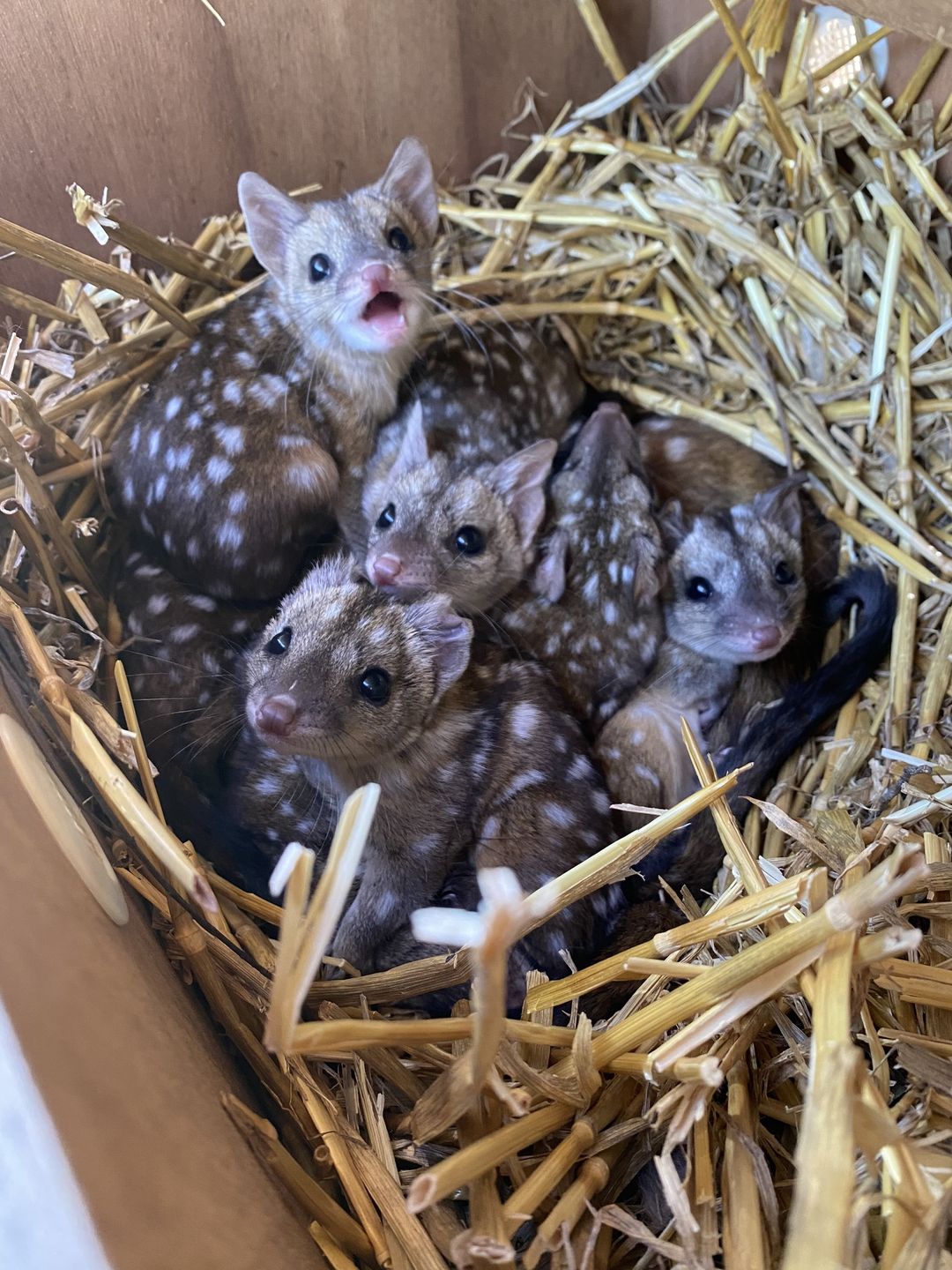
In a heartwarming turn of events, a species once teetering on the edge of extinction is making a triumphant return. Thanks to the tireless efforts of researchers and ecologists in Australia, the western quoll—a spiky, cat-sized marsupial—has found new hope at the Mt Gibson Wildlife Sanctuary. This extraordinary story of resilience and conservation proves that even in the face of ecological challenges, nature can thrive when given a chance.
A Stunning Discovery in the Wild
Ecologists at the Mt Gibson Wildlife Sanctuary were recently met with an extraordinary sight: a nest filled with spiky, newborn creatures. These weren’t just any animals; they were western quolls, also known as chuditchs. Once widespread across Australia, this marsupial species had all but disappeared, surviving only in small populations in the southwestern corner of the country.
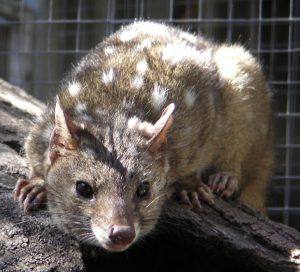
The western quoll is a marsupial carnivore essential to Australia’s ecosystem. About the size of a domestic cat, these animals help regulate populations of invertebrates, reptiles, and small birds. Their decline, attributed to habitat destruction and the introduction of non-native predators, had left the species teetering on the edge of extinction.
Bringing Back the Quolls
For months, conservationists have worked tirelessly to reintroduce the western quolls to the Mt Gibson Wildlife Sanctuary. This area had once been home to the species but saw their disappearance due to environmental changes. The reintroduction efforts included careful monitoring, habitat restoration, and the creation of a controlled environment to ensure the marsupials could thrive.
The recent discovery of baby western quolls confirmed that these efforts have paid off. Researchers observed healthy offspring in the sanctuary, a promising sign that the animals are not only surviving but also reproducing.
A New Beginning for an Old Species
“Through regular monitoring, we can see the quolls are doing well at the sanctuary,” shared Georgina Anderson, AWC Senior Field Ecologist. She expressed her joy at discovering the first pouch young, which signifies the animals have successfully adjusted to their new environment.
One standout among the quolls is Aang, a striking individual frequently captured on the sanctuary’s camera traps. Known for his bold personality, Aang has become something of a local celebrity, often raiding bait canisters set up by researchers.
The successful breeding of the quolls at Mt Gibson Wildlife Sanctuary has reinvigorated hopes for the species’ future. Researchers are optimistic that these marsupials could one day repopulate other parts of Australia where they were once common.
Why Western Quolls Matter
Beyond their adorable appearance, western quolls play a vital role in maintaining the balance of their ecosystem. By preying on smaller animals and invertebrates, they help control populations that could otherwise disrupt the natural order. Their reintroduction benefits not only the species itself but also the broader environment.
These efforts highlight the importance of wildlife sanctuaries and conservation programs in preserving Australia’s unique biodiversity. Without initiatives like those at Mt Gibson, the western quoll might have remained a footnote in the country’s natural history.
Looking Ahead
The return of the western quoll to the Mt Gibson Wildlife Sanctuary is a beacon of hope for conservationists. It demonstrates that with dedication, collaboration, and innovative approaches, species on the brink of extinction can recover and flourish.
While challenges remain, such as ensuring the safety of quolls from predators and expanding their habitat, the progress made so far is inspiring. Conservationists hope that one day, western quolls will reclaim their place throughout Australia’s vast wilderness.
A Call to Action
This remarkable success story serves as a reminder of the impact that humans can have in protecting and restoring wildlife. The western quoll’s comeback invites everyone to reflect on the importance of conservation and to support initiatives that safeguard the planet’s biodiversity.
If you’re inspired by this story, share it with others to spread the message of hope and the importance of protecting our natural world.
This rephrased article maintains a human tone, highlights the quoll’s ecological importance, and integrates a positive message about conservation. Let me know if you’d like further adjustments!