Unbreakable Bonds: Why Friendships in the ’70s Were Truly One of a Kind
Exploring the Unbreakable Bonds of a Bygone Era
A Simpler Time for Stronger Bonds
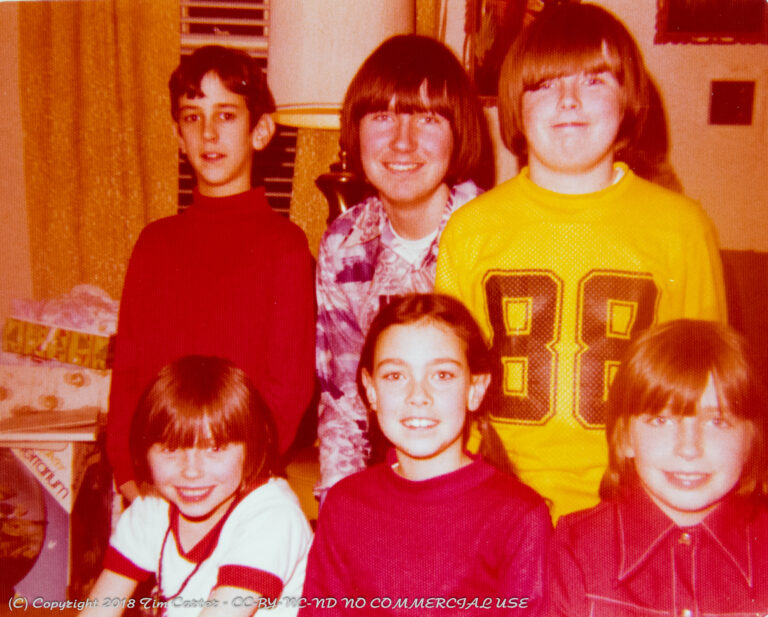
In today’s fast-paced world, many of us feel a nostalgic pull toward the slower, simpler days of the 1970s. For those who lived it, the era evokes memories of biking with friends, catching cartoons on Saturday mornings, and hearing “be home before dark” as the only rule. Life then was a bit rough around the edges but was undeniably rich in genuine connection.



Real Conversations, Real Connections
The 1970s were a time when people truly connected. Conversations were face-to-face, personal, and often ran late into the night without the distractions of screens. A landline phone call or an in-person chat was the only way to catch up. Today, with texting and social media, communication is easier but sometimes feels less authentic. The meaningful talks of the past feel almost like a luxury in a world of quick, digital exchanges.
The Freedom and Fun of Being Offline
Back then, friendships thrived in real life, not on social media. Friends gathered in person, whether at drive-in theaters, live music shows, or someone’s backyard. Without the constant ping of notifications, people were fully present with each other. The world wasn’t as connected as it is now, but connections felt more genuine, and time with friends was valued deeply.
Dating and Relationships Were Different, Too
Dating in the ’70s was a more social experience, often requiring the courage to start conversations in person. Numbers were exchanged after real interactions, and there was no swiping left or right; it was just pure, bold connection. Gender roles were more traditional, with men usually taking the lead in initiating dates and paying for meals. Today, dating apps have made meeting people more accessible, but the spirit of spontaneity and face-to-face interaction has shifted significantly.
Gender Roles and Evolving Expectations
The ’70s saw the rise of the feminist movement, but traditional gender roles still held strong in many areas. Many women were still expected to stay home, with jobs seen as secondary to their roles as homemakers. Thankfully, much has changed in today’s society, allowing individuals to define their relationships based on equality and mutual support, paving the way for a broader understanding of partnership and friendship.

Friendships Meant Quality Over Quantity
Without social media, friendships in the ’70s were rooted in personal connection rather than online status. There were no followers or friend counts; relationships were valued for their depth. People met in person, made plans over landlines, and often maintained lifelong friendships. Today, social media allows us to keep in touch with more people but can sometimes make relationships feel shallow compared to the close-knit bonds of the past.
Mental Health and Emotional Connection
The topic of mental health was seldom addressed openly in the ’70s, with many struggling in silence. Today, we’ve come a long way, recognizing the importance of emotional well-being and healthy communication in all relationships. Couples and friends are encouraged to be open about their feelings, seek therapy, and prioritize mental health. This shift has led to a better understanding of how to support each other, making relationships stronger and more empathetic.
The Digital Shift and Its Impact on Friendship
The first Bulletin Board Systems (BBS) in 1978 allowed friends to connect digitally, albeit in a much simpler way compared to today’s social media. Now, friendships are often maintained through online interactions, and while technology has made staying in touch easier, some feel that social media “friends” aren’t as close as friends from past generations. Online platforms allow us to connect instantly but can make real, face-to-face connections feel rare and special.
Were Friendships in the ’70s Truly Better?
While each era has its strengths and challenges, the friendships of the ’70s carried a special charm rooted in quality time, genuine conversations, and fewer distractions. Today, our connections are more diverse and convenient, but there’s a certain magic about the friendships of the past that many of us long for. Perhaps the best friendships blend the quality of the past with the accessibility of today’s digital age.
What are your thoughts? Do you think friendships from the ’70s were truly better? Share this article with friends, and let’s start the conversation!