Desperate Rescue Mission: How Heroes Joined Forces to Save an Orphaned Baby Walrus
A Heartwarming Tale of Survival: Inside the Collaborative Effort to Rescue and Rehabilitate a Stranded Pacific Walrus Calf Against All Odds
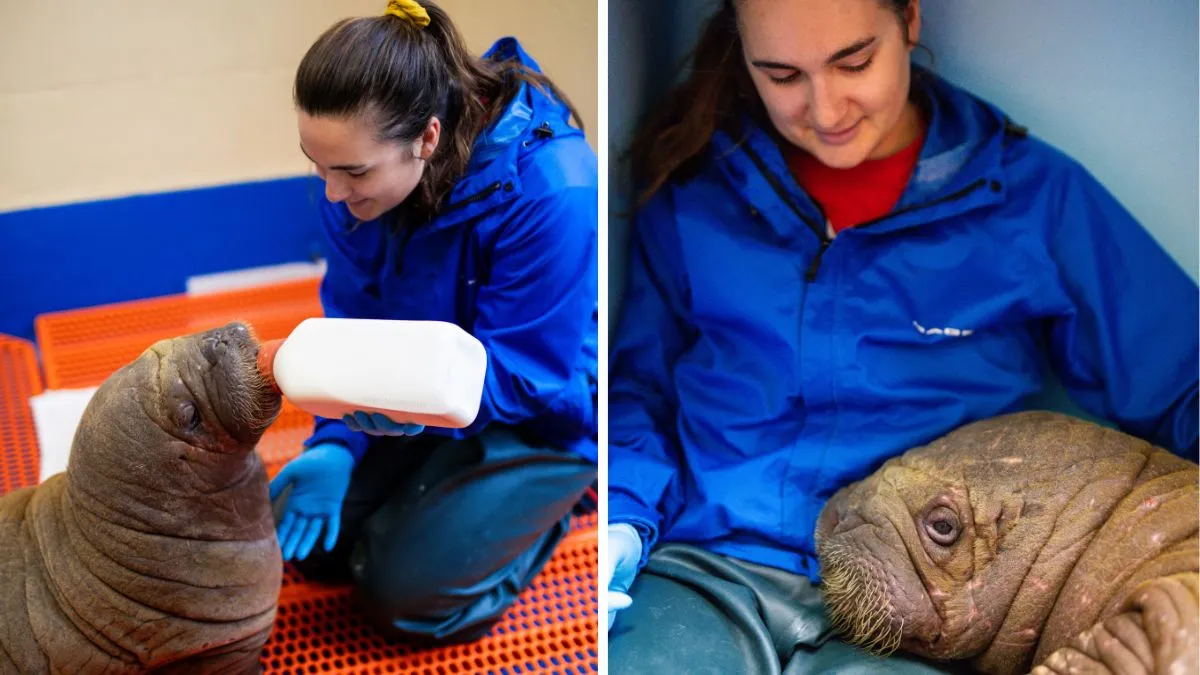
A Race Against Time: Inside the Unprecedented Rescue Mission of an Orphaned Baby Walrus
Pacific walrus populations are facing a crisis. These majestic creatures, primarily found in the Bering, Chukchi, East Siberian, and Laptev Seas, are increasingly threatened by climate change, which is disrupting their natural habitat. As the sea ice they rely on for rest diminishes, their migration patterns are being thrown into chaos. Recently, this turmoil led to a heartbreaking incident when a young female Pacific walrus calf was abandoned by her herd during their migration. This triggered a remarkable rescue operation involving five organizations across the United States, all united in a desperate effort to save the orphaned baby walrus.
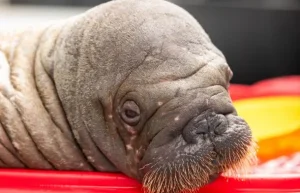



The calf, just a few weeks old, was discovered on July 22, 2024, near Utqiagvik, Alaska. In a race against time, she was transported to the Alaska SeaLife Center (ASLC) in Seward, Alaska, where rehabilitation efforts began almost immediately. With the permission of the United States Fish and Wildlife Service (USFWS), a collaborative team—comprised of the ASLC, the Indianapolis Zoo, Point Defiance Zoo & Aquarium, SeaWorld, and USFWS—came together to provide the care the baby walrus so desperately needed.
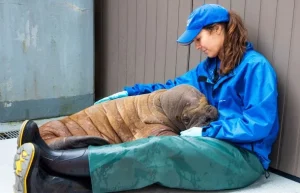
When rescuers found her, the young walrus was in a dire state—dehydrated, weak, and starving. Normally, a walrus calf would spend up to two years with its mother, learning essential survival skills and gaining the strength to thrive in the harsh Arctic environment. Without her mother, this calf stood no chance of survival on her own.
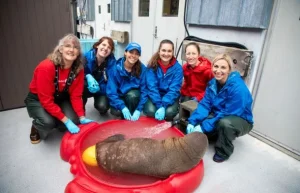
To give the orphaned calf the best possible chance, human caretakers have stepped in as surrogates, spending every moment by her side. They provide the necessary companionship and tactile comfort that a walrus needs to thrive. While the calf is showing signs of improvement, she remains in a critical state, and her future is far from certain. Sadly, due to her upbringing in captivity, she will not be able to return to the wild.
The Importance of Saving This Baby Walrus
The Alaska SeaLife Center is the only authorized marine mammal rehabilitation center in Alaska, and it has a significant history of caring for Pacific walrus calves—having rescued 11 in the past. In North America, only four zoos are home to Pacific walruses, and this calf will eventually join one of them as an ambassador for her species. Dr. Chris Dold, Chief Zoological Officer at SeaWorld, emphasized the importance of such ambassadors, saying, “Walruses are amazing ambassadors for the Arctic and an inspiration to all of us to be better stewards of the planet we all share.”
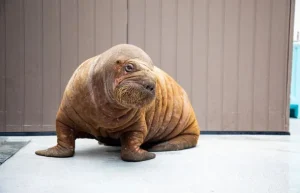
The cooperative rescue effort does more than just save this one walrus; it also serves as a stark reminder of the importance of taking climate action and preserving fragile ecosystems. As Dr. Wei Ying Wong, President and CEO of ASLC, explained, “This one abandoned and rescued walrus calf serves as a vital ambassador for her species, the communities who rely upon them, and the Arctic ecosystem. ASLC and our partners are excited to contribute to the broader effort of conserving these magnificent creatures and their ecosystems, including the rich culture and wisdom of the Alaska Native peoples, who have been here since time immemorial.”
For those who wish to follow the journey of this brave little walrus, the Alaska SeaLife Center regularly updates their social media pages with photos and videos, capturing moments of the calf’s day-to-day progress. These updates provide a unique insight into the ongoing rescue operation and the tireless efforts of the teams involved.
A Broader Perspective on Conservation Efforts
This rescue mission, while focused on a single baby walrus, represents a larger fight against the devastating effects of climate change and habitat loss. It underscores the importance of every species in maintaining a healthy and balanced ecosystem. Saving this young calf is more than just an act of compassion; it is a call to action for the preservation of our planet’s delicate Arctic environment.
The collaborative effort among these organizations is not just about saving one life—it’s about inspiring a movement. As the baby walrus grows and eventually takes on her role as an ambassador for her species, she will serve as a living reminder of what is at stake and why our efforts to protect our environment and its inhabitants must continue.
Stay updated on the baby walrus’s progress and learn more about how you can contribute to conservation efforts by following the Alaska SeaLife Center and its partners on social media. Share her story, spread awareness, and join in the race to protect the natural world.
By spreading the word and supporting such vital rescue efforts, we help ensure a future where the rich biodiversity of our planet is preserved, and species like the Pacific walrus continue to thrive.
Conclusion
While it may seem like a small gesture—saving a single baby walrus—it is part of a much larger, critical mission to safeguard our planet’s future. The combined efforts of ASLC and its partners demonstrate what can be achieved when we work together, not just for a single species, but for the well-being of our entire ecosystem.
To stay updated on this heartwarming rescue and the ongoing efforts to save the Pacific walrus and other species, visit the Alaska SeaLife Center’s Facebook and Instagram pages. Let this baby walrus inspire you to take action and join the global effort to protect our planet.